Why Garden Rooms Became a Place to Sit Outside
Garden rooms can feel sheltered, open or connected to the house. Compare boundaries, views and seating to choose an outdoor room that suits your garden.
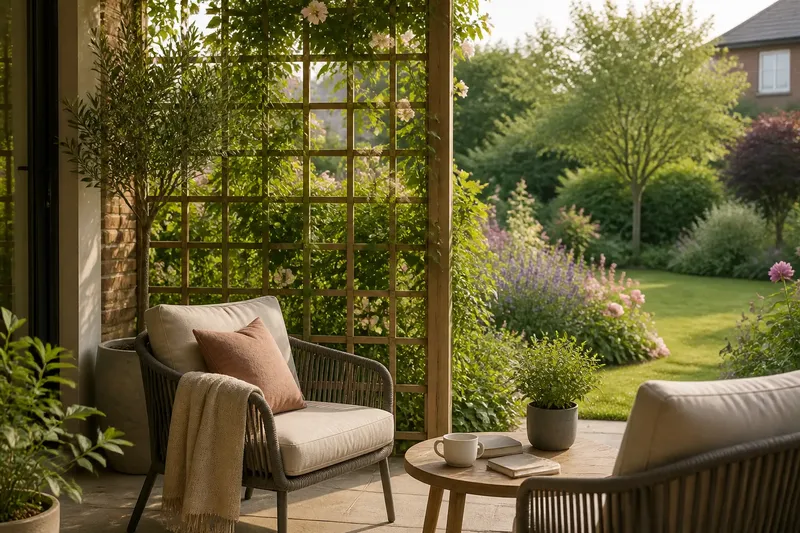
A garden room can be a paved corner beside the kitchen, a sheltered spot on a porch or a chair placed where the lawn opens to a view. The phrase “garden room” describes more than a structure: it is an outdoor area shaped to feel usable and distinct, while remaining part of the garden. Its character depends on how clearly it is bounded, what it lets you see and where you choose to sit.
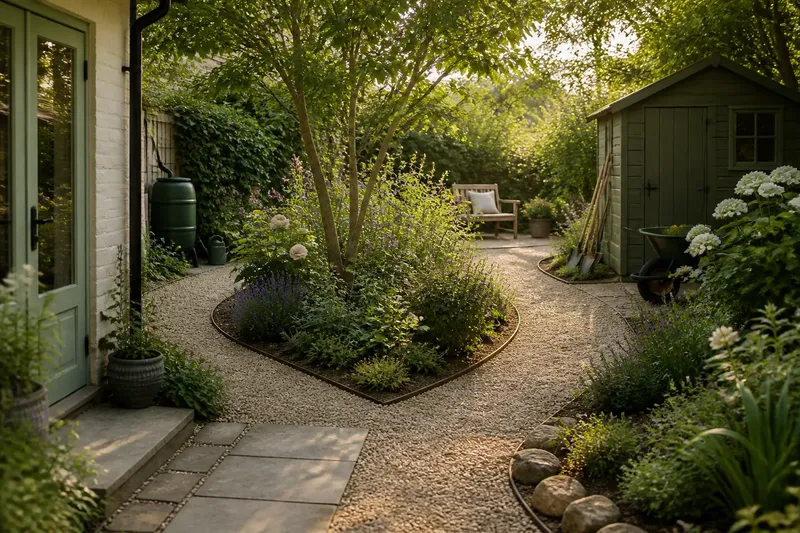
Thinking of the garden as a room makes the design question less about adding walls and more about arranging a comfortable relationship between house and outdoors. Three approaches—an open room, a softly screened room and a strongly enclosed room—offer different balances of outlook, shelter and connection.
What makes a garden room feel like a room?
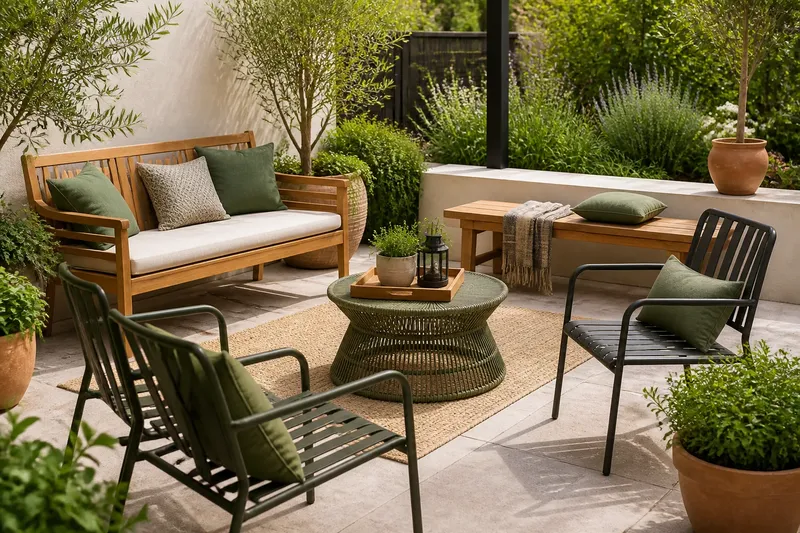
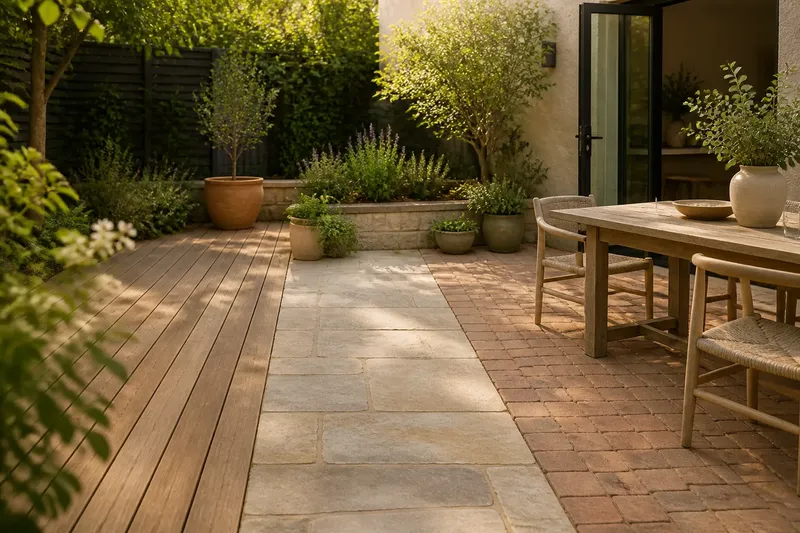
A room has edges, a purpose and a place for people to settle. Outside, those edges need not be solid: a change in paving, a low hedge, a pergola or a row of pots can suggest where one area ends without shutting out the garden.
Views act like openings. A seat turned towards a mature tree, a pond or a wider lawn gives the eye somewhere to rest; a solid fence close behind the same seat may make it feel more contained. Furniture supplies the final cue, but it works best when its position supports an activity such as reading, eating or talking.
Should you keep the garden room open?
An open arrangement uses little screening. A patio beside the house, perhaps marked by a different surface or a simple outdoor rug, stays visually linked to the wider garden. This approach suits people who enjoy broad views, want easy movement between lawn and seating, or have a small space that could feel crowded by enclosing features.
The trade-off is exposure. Wind, passing neighbours or a lack of visual focus can make an open area feel less settled, even when there is ample room for chairs. Try placing the main seat so it faces the garden rather than the house wall, and use a planter or a small side table to give the seating area a gentle edge.
When does soft screening work better?
Soft screening creates a sense of boundary without making the garden feel sealed off. A trellis with a climbing plant, a clipped hedge, a slatted screen or tall containers can interrupt a direct view while preserving glimpses of foliage and sky. This middle-ground approach suits gardens overlooked from nearby homes, or anyone who wants a more intimate place to sit without losing the wider outlook.
The location of the screen matters as much as its material. Set it beside the exposed side of a seating area, rather than forming a complete ring, and the view can remain open in the direction that matters most. Choose plants with their eventual spread in mind, and consider how their foliage changes through the seasons.
Who benefits from a more enclosed room?
A stronger boundary can make an outdoor area feel like a destination. A walled courtyard, a deep porch or a pergola with substantial side screens may be useful for a reading chair, a sheltered dining spot or a corner where household members can talk away from the main activity of the garden. It suits those who value privacy and a defined atmosphere more than an uninterrupted view.
Enclosure can also make a small area feel inward-looking, so avoid adding barriers simply to make the space resemble an indoor room. A view through a gate, an opening between screens or a planting gap can preserve a connection to the rest of the garden. If the area is already shaded, check whether extra screening would make it feel gloomy before committing to a dense boundary.
Which garden room approach suits your space?
How can I make a small garden room feel larger?
Keep one sightline open, preferably towards a feature beyond the seating area, and avoid surrounding the chairs with bulky planters or screens. A compact bench against a wall can leave more of the ground visible than several separate seats.
Where should garden room seating face?
Face the seat towards the view or activity you want to enjoy, such as a planted border or the children’s play area. If the view is less inviting, angle the chairs towards one another and use a pot or small table to make a comfortable focal point.
Can a garden room work without a pergola?
Yes. A surface change, hedge, low wall or carefully placed furniture can define an outdoor sitting area without an overhead structure. A pergola is more useful when you want a stronger sense of shelter or a framework for climbing plants.
How much privacy should an outdoor sitting area have?
Enough to let you relax, but not necessarily so much that every view disappears. Notice where sightlines enter the area, then screen the most exposed side and leave the other directions open.
How do you choose between open, screened and enclosed?
Start with the reason you want to sit outside. If the main pleasure is looking across the garden, an open layout is likely to suit; if nearby sightlines distract you, try partial screening; if you want a quieter retreat, consider a more enclosed arrangement with a deliberate opening to the garden.
Then look at the site at the times you expect to use it. Notice where the sun falls, which direction the wind reaches the chairs from and what can be seen from the seat. These observations help you place a boundary where it answers a real need rather than adding one as decoration.
Imagine a household with a paved area beside the kitchen, a view of a flowering border and a neighbour’s window overlooking one side. They could keep the border-facing side open, add a trellis with a climbing plant beside the exposed edge and place a small table between two chairs. The expected result is a seating area that retains its garden view while making the overlooked side less prominent.
It is not worth screening every edge or filling a small patio with containers just to create a room-like appearance. A clear view, a comfortable seat and one well-placed boundary can do more. For a garden room that feels inviting, let the furnishing establish where to settle and let the boundary support that choice.
That is the useful promise of a garden room: not a miniature indoor space, but an outdoor place with enough definition to invite you to stay. Choose its openness around the view you value and the privacy you need, then leave a visual route back into the garden.